

connecting past & Present
Through collaboration


how the native american community shaped the story of the glass city river wall

In Partnership with the Myaamia Center
The Glass City River Wall project is deeply grateful to the Native American community, particularly the Myaamia Center in Oxford, Ohio (www.myaamiacenter.org) for their wisdom, input, and support.
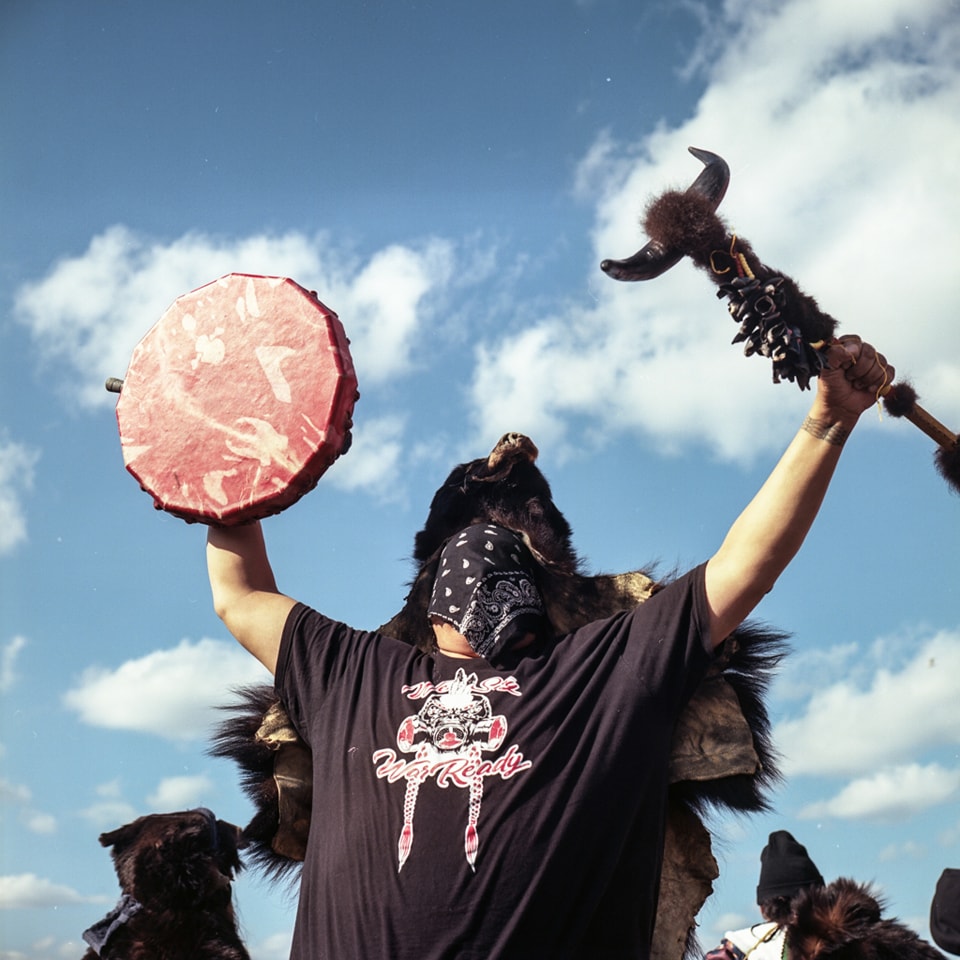
The recognition that the Indigenous people of our area are a part of Toledo’s past, present, and future is reflected in the model’s modern-day clothing mixed with identifiable jewelry reflective of Native American cultures. Each of the models is living today and is a testament to our true history.
The models featured represent three Tribal Nations: The Miami Tribe of Oklahoma, The Shawnee Tribe, and the Dakota Tribe. By portraying living members of these communities, the artwork powerfully reinforces that Native Americans are not figures of the past, but vibrant, thriving people of today. Many Tribes with ancestral ties to this region were forcibly relocated west of the Mississippi in the mid-19th century, yet their cultural legacy endures.
Resources on Regional Native American History
Smithsonian National Museum of the American Indian
See this site for information on the history of indigenous people in the United States.
Native Knowledge 360
This site offers “a brief introduction to important topics and approaches to teaching about Native American life, cultures, and communities.”
Ohio History Connection: American Indian Education Resources
This site offers resources for teaching Native American history.
Telling Our Story: A Living History of the Myaamia
See this site for information on the Myaamia people, Native Americans who inhabited this region.
Ohio as America
This site offers a fourth grade social studies curriculum and resources, focused on Ohio’s history.

9-12 Humanities Curriculum: Storytelling and Social Justice
This ten-day curriculum—originally developed by Urban Sight to complement the spirit of the Glass City River Wall project—invites students to explore the connection between storytelling, social justice, and cultural understanding. Through learning about the Myammia people and the deeper histories of this region, students will reflect on how stories shape identity, justice, and community. The program culminates in a writing project that empowers students to share their own voices and contribute to the ongoing story of who we are and where we come from.
Day One: How can engaging in civil discourse with evidence-based assertions help understand one another’s perspectives?
Students will define and consider the concept of civil discourse, articulate what it should look like in their classroom, and practice making evidence-based assertions by developing a line of reasoning. Lesson Plan Here
Days Two & Three: Do we need to address injustices before we can have a just society?
Students explore a variety of resources and begin thinking critically about what happens when stories that have been untold are finally told and how knowing these stories contributes to or detracts from a just society. Lesson Plan Here
Days Four & Five: What can we learn when we question what we think we know about our history and ourselves?
Students consider texts and that undermine the traditional historical narratives, and think critically about what they think they know. Lesson Plan Here
Days Six and Seven: What happens when we consider different perspectives?
Students will grapple with how a narrative changes when we consider other versions of the story. Lesson Plan Here
Day Eight: “It’s not what you look at that matters, it’s what you see:” How does sharing a common story help us understand one another?
Students will read excerpts of literary works, write the story of their own name, and share with one another. Lesson Plan Here
Days Nine and Ten: How does storytelling shape community?
Students will examine the reasons that storytelling is important and consider who tells the stories of our society and community, as well as the relationship between storytelling and power. Lesson Plan Here

-
Toledo Museum Insider: Your Guide to Current & Upcoming Exhibits
TMA offers a wide range of exhibitions that explore all time periods and regions of the globe! From unique contemporary installations to travelling exhibitions that explore individual artists or historical […]

-
Experience Arts and Culture in Toledo
From a world-renowned art museum to more than 80 works of public art to music, dance and theater, Toledo’s thriving arts and culture scene is one of its most defining features.
-
Fall in Love with Toledo: Your 2025 Autumn Events Guide
From apple picking and Oktoberfest to football rivalries and ghost walks, Toledo has it all this fall.